
Onions: A Pain in the Neck?

Sometimes it takes a lousy day to make you figure out what's wrong. And today was a lousy day.

First, it took an half an hour to get through the line at the understaffed Kroger. When I came home, the house still smelled like onions from canning chili the day before, and my headache and sore neck started getting worse. I ate some leftover chili and roused myself to go shop for a new washer, since mine is leaking from the bottom, as the plumber I called for a clogged drain discovered. An appliance repairman on YouTube said washers are badly built nowadays; I bought a brand unlikely to break down for a good seven years or so. It set me back three times what I paid in the 90s for a Kenmore that lasted at least 20 years. There was no use shopping for a used one here in Indianapolis: people here use appliances until they're worn out.

By mid-afternoon, I was back home and took some Mucinex for my sinus pain...and realized I'd felt OK while I was out shopping. It was like Christmas 2015 when I made wasabi almonds: I was sick to my stomach, I felt better when I went outside, so I aired out the house and felt better. 
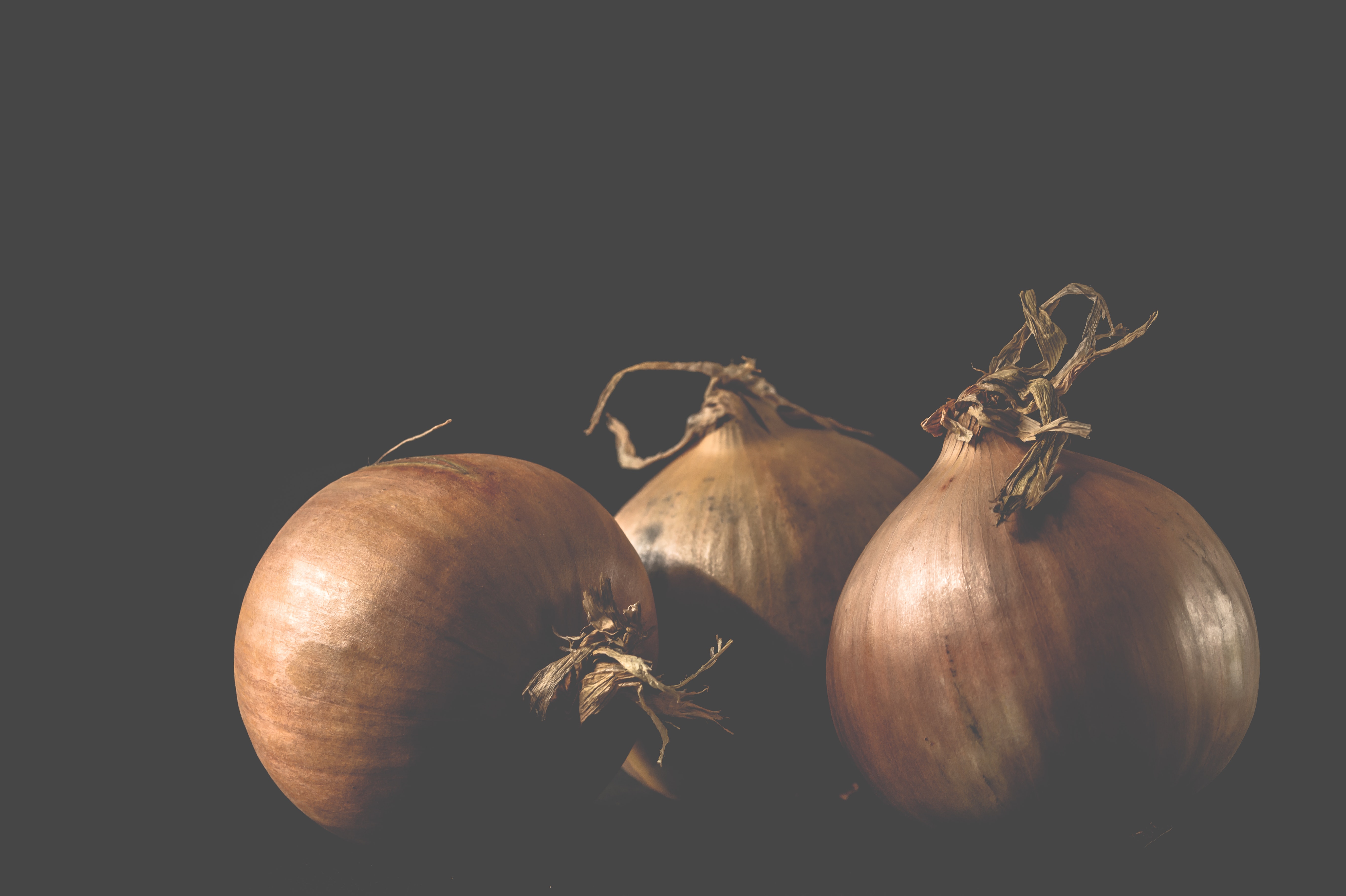
Savory staple or mucosal menace? Photo from Pexels.

Biggs had been after me to go outside with him. Did he know I needed to go outside, too? He might have just wanted me to throw his ball (but I can do that indoors). We may never know what was in his mind. 

Hero dog or just a hedonistic ball-catcher?


Is there a connection between onions and wasabi? An article from the University of California at San Francisco says, "Acrid smoke and fresh-chopped onions don’t have much in common – other than evoking an eye-watering urge to run to another room. Remarkably, the irritant chemicals in both smoke and onions – as well as garlic, horseradish and wasabi, and an assortment of potent toxins such as formaldehyde – all trigger this protective response by activating a single sensory molecule in the nerve cells of our mucous membranes."

I've always been allergic to cigarette smoke, and smoke from a barbecue grill irritates my eyes. If one molecule senses smoke, onion and wasabi, it makes sense that all of them would bother me equally. It's just the scent of cooking onions and wasabi that bother me; I love to eat them. 

But can sinus irritation lead to neck pain? A study in the Journal of Manual & Manipulative Therapy says, "Neck pain and cervical musculoskeletal dysfunction are common among persons with SRSH [self-reported sinus headaches] and may be a comorbid feature or contributing factor to headaches attributed to rhinosinusitis. Further research is needed to understand these associations."

Suspecting it was the smell of onions that was bothering me, I turned on the HVAC fan, opened the windows and went outside with Biggs. I felt better after a few hours (the two aspirin I took probably helped; the Mucinex didn't). 

Making wing sauce tomorrow is off (it has onions). I ordered a ductless range hood and won't be cooking any more onions until it arrives, and maybe not even after that.

Comments

It may well have been the onions? Best to wait for the range hood to be delivered and hope that when you next cook onions the headache will not manifest again.

That's a sweet photograph of Biggs.

All the best Jan
Lori Miller said…
Someone asked if I could just open a window. If I wrestled the west-facing window open, it would blow the onion-scented air into the rest of the house; opening the south window wouldn't do much. My old house had an east-facing window next to the stove that was easy to open.

Popular posts from this blog

1972: Carole King, M*A*S*H and...Food for 2014?

I feel well enough to try Atkins induction again. The palpitations are gone, even without taking potassium. My energy level is back to normal--no more trucking on the treadmill early in the morning  to burn off nervous energy or emergency meat, cheese and mineral water stops after yoga. It's back to lounging around to Chopin and Debussy in the morning and stopping at the wine bar for pleasure. I'm using the original Atkins book: Dr. Atkins' Diet Revolution from 1972. While looking in the book for a way to make gelatin (which is allowed on induction, but Jello(TM) and products like it have questionable ingredients), I felt the earth move under my feet : those recipes from 42 years ago look delicious and they're mostly real food. It makes sense, though: the cooks who wrote the recipes probably didn't have had a palette used to low-fat food full of added sugar or a bag of tricks to make low-fat food edible. Anyone who writes a recipe called "Cottage Cheese and...

Blog Lineup Change

Bye-bye, Fathead. I've enjoyed the blog, but can't endorse the high-fat, high-carb Perfect Health Diet that somehow makes so much sense to some otherwise bright people. An astrophysicist makes some rookie mistakes on a LC diet, misdiagnoses them, makes up "glucose deficiency," and creates a diet that's been shown in intervention studies to increase small LDL, which can lead to heart disease. A computer programmer believes in the diet and doesn't seem eager to refute it because, perhaps, scientists are freakin' liars and while he's good at spotting logical inconsistencies, lacks some intermediate knowledge of human biology. To Tom's credit, he says it's not the right diet for everyone, but given the truckload of food that has to be prepared and eaten, impracticality of following it while traveling (or even not traveling), and unsuitability for FODMAPs sufferers, diabetics and anyone prone to heart disease (i.e., much of the population), I'm...

This Just In: Yogurt Doesn't Improve Health

A recent study from Spain finds "In comparison with people that did not eat yogurt, those who ate this dairy product regularly did not display any significant improvement in their score on the physical component of quality of life, and although there was a slight improvement mentally, this was not statistically significant," states López-García. Most yogurt is pretty much pudding with a little bacteria . Pudding is a sugar bomb. Hard to believe the stuff doesn't improve health outcomes, isn't it? But as usual, researchers are calling for...more research. "For future research more specific instruments must be used which may increase the probability of finding a potential benefit of this food."